A New Year Without the Father at Home
237 views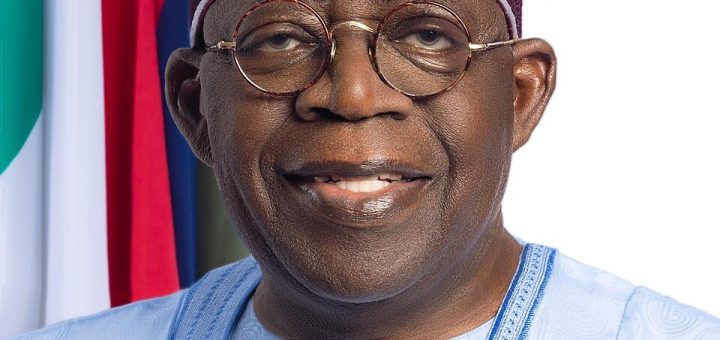
By Frank Ofili
Where is our President? Who knows his whereabouts?
Nigeria stepped into 2026 not with the sound of reassurance, but with the echo of unanswered questions. Fireworks lit the skies in pockets of the country, churches rang bells, mosques offered prayers—but hovering over it all was a troubling absence. As the nation crossed the threshold into a new year battered by hardship, misery, and insecurity, Nigerians did not know where their president was.
This absence is not merely geographical. It is emotional. It is symbolic. It is deeply unsettling.
A nation, like a family, draws strength from the presence of its head—especially in moments of fear and uncertainty. When times are hard, children look instinctively toward the father. They search his face for reassurance, his voice for direction, his presence for stability. But Nigeria welcomed 2026 like a family gathered in the living room at midnight, exchanging strained smiles, pretending to celebrate—while no one could say where the father was.
It felt worse than absence. It felt like abandonment.
The country is bleeding in many places at once. Insecurity still stalks villages and highways. Kidnapping has become a business model. Terror and banditry are no longer distant headlines; they are lived realities. Youth unemployment remains crushing, turning hope into anger and ambition into despair. The cost of food has climbed beyond reach for millions. Parents skip meals so children can eat. Graduates roam the streets clutching certificates that no longer guarantee dignity.
And yet, at this defining moment—when words mattered, when presence mattered—the head of the Nigerian family was unseen.
A new year address was delivered, yes. But from where? From whose ground? Leadership is not only about speeches; it is about standing visibly with your people. In times of crisis, leaders do not govern from hiding. They show up. They are seen. They are felt.
The silence about the president’s whereabouts became louder than any fireworks. It bred rumours. It deepened mistrust. It widened the already dangerous gap between the government and the governed. A nation cannot be comforted by a voice when it cannot locate the body behind it.
The situation is akin to a family ushering in the new year while whispers pass from ear to ear: Where is our father? Is he safe? Is he ill? Or worse—has he chosen comfort elsewhere while the house he built trembles? It is like discovering that the head of the household is away, not on duty, not in sacrifice—but in a mistress’s house, detached from the hunger and fear gripping his own children.
Even if untrue, the perception alone is damaging. Leadership lives and dies by perception as much as policy.
Nations do not only need reforms; they need empathy. They need leaders who understand that symbolism matters, that presence heals, that absence wounds. In moments of national pain, a leader’s visibility is not vanity—it is duty.
Nigeria did not ask for perfection. It asked for honesty. It asked for courage. It asked for a president who would stand in the open, look the nation in the eye, and say: I am here. I see your suffering. I will not abandon you.
Instead, Nigeria entered 2026 with questions instead of comfort, uncertainty instead of assurance, and a troubling sense that the house is on fire while the father is nowhere to be found.
A new year should begin with hope. But hope is hard to summon when leadership feels distant and the future feels unguarded. Until the head of the family returns fully—physically, emotionally, and morally—the celebration will remain hollow, and the nation’s wounds will continue to deepen.
A country cannot heal in the absence of its father.
Mr. President, we heard your speech this morning – a pre-recorded speech. We were told you went to Europe, but not where in Europe. Where ever you are, happy New Year Mr. President.