Rice Palliative Not Policy, Productivity Over Handouts Please!
840 views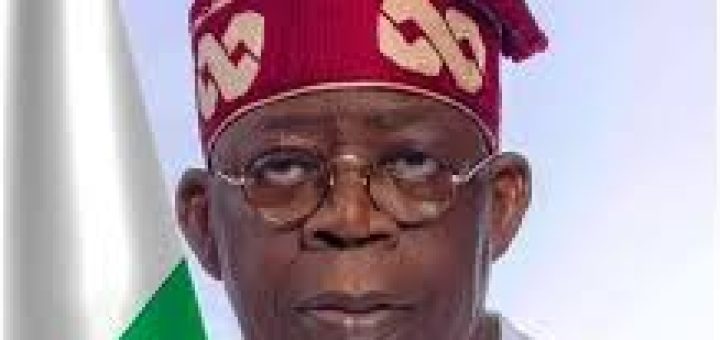
(By Frank Ofili)
By all appearances, the directive by President Bola Ahmed Tinubu to distribute free rice across Nigeria during Ramadan and Lent reflects compassion and a desire to ease the burden on citizens during spiritually significant periods.
Yet, public policy must be judged not only by intent, but by impact.
The distribution of food as a palliative measure raises fundamental questions about the direction of Nigeria’s economic strategy. While such interventions may provide immediate relief, they do little to address the underlying causes of hardship—rising inflation, unemployment, weak agricultural systems, and declining purchasing power.
More troubling is the possibility that the rice being distributed is imported. If so, Nigeria may be exporting jobs to foreign producers while local farmers continue to grapple with poor infrastructure, insecurity, and limited access to financing. This contradiction strikes at the heart of sustainable development.
There is also a political reality embedded in this initiative. Large-scale food distribution is an implicit admission that a significant portion of the population is struggling to meet basic needs. This stands in contrast to optimistic economic narratives and calls for a more honest appraisal of current conditions.
Beyond economics lies the question of dignity. A nation cannot build pride and productivity on a foundation of recurring handouts. While emergency relief has its place, it must not become a substitute for meaningful economic reform. Citizens deserve more than temporary assistance; they deserve opportunity.
The path forward is clear, though not easy. Government must shift its focus from distribution to production. This means investing in agriculture, improving rural infrastructure, ensuring security for farmers, supporting small businesses, and creating a stable macroeconomic environment.
Such measures will not yield instant results, but they represent the only sustainable route to prosperity.
Nigeria has the resources, talent, and potential to feed itself and compete globally. What it requires is a deliberate commitment to policies that empower citizens rather than pacify them.
In the final analysis, the true test of leadership is not how effectively it distributes relief, but how decisively it eliminates the need for it.