Gunboats, Diplomacy, and Iran: Is History Repeating Itself?
197 views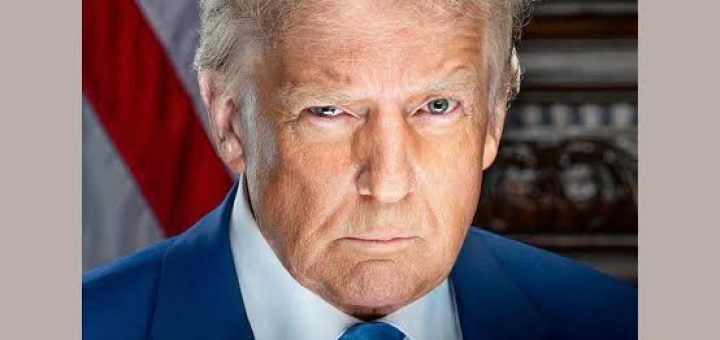
Frank Ofili
There is a pattern emerging in how the United States, under Donald Trump, is approaching Iran—and it feels strikingly familiar.
- Talk peace.
- Show force.
- Negotiate from dominance.
On one hand, there are diplomatic signals: reports of peace talks potentially involving Pakistan as an intermediary.
On the other, there is hard power: military deployments in the Gulf, sustained pressure alongside Israel, and rhetoric hinting at control of Iran’s oil assets.
That is not a contradiction. It is strategy. And we have seen it before. Actrually, it is a familiar Playbook
In 19th-century West Africa, European powers perfected this model:
negotiate “protection treaties” with local rulers while gunboats sat offshore.
Places like Lagos and Calabar did not fall purely through dialogue. They fell through diplomacy backed by visible force.
Consent, under pressure, became conquest.
Is Iran Being Boxed Into the Same Script?
The signals suggest two possible objectives:
- Force Iran to negotiate from a position of weakness
- Keep military options credible—including, potentially, regime change
But here lies the potential miscalculation. Iran Is Not 19th-Century West Africa. Iran is not a loose collection of kingdoms.
It is militarily capable, politically cohesive, and regionally influential.
And critically, it holds a powerful card. The Strait of Hormuz.
Any serious disruption there does not just hurt Iran’s adversaries; it shakes the global economy.
What made colonial expansion possible in West Africa was overwhelming asymmetry of power. That asymmetry does not exist here. Pressure on Iran may not produce submission. It may, in fact, trigger escalation—with global consequences.
The Bottom Line: blending diplomacy with intimidation is not new.
But applying an old playbook to a very different battlefield is risky.
What delivered West Africa (e.g. Lagos in 1861) will not necessarily deliver Tehran today.
And this time, the cost of miscalculation will not be regional. It will be global.