What your semen says about your health
842 views
It’s probably one of the last things on your mind when you’ve just ejaculated; but the consistent look and smell of your semen can be a good indicator of your overall health. If it’s cloudy-white or grey with a jelly-like consistency, you’re winning.
While differing semen colour and consistency is usually nothing to worry about; there are a few signs it’s worth keeping a look out for. In case you have a sexually transmitted infection, or you’re concerned about fertility.
What is semen?
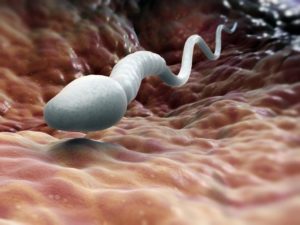
We all know that semen is the male reproductive fluid; but your swimmers only contain up to 10 per cent of sperm. The rest consists of enzymes, vitamin C, calcium, protein, sodium, zinc as well as fructose sugar; all of which can go a long way towards telling you what’s going on inside your body.
Is your semen normal?
Healthy semen is usually a cloudy-white or grey fluid with a jelly-like consistency. ‘It is a complex liquid usually white or grey in colour, sometimes yellowish and has a bleach like smell due to its content of alkaline substances.
These are important to enable sperms to combat the acidic nature of the female genital tract. Approximately 200 to 500 million sperms are released each ejaculation, but this can also vary.
ALSO READ: Unique food you can cook using Semen
What does blood in semen mean?
If your semen has a red or brown appearance, it is more than likely due to a burst blood vessel and is usually nothing to worry about. Within a day or two, semen should return to its normal colour.
‘Blood in the semen (otherwise known as haematospermia) is an alarming symptom for any man’ .
‘However, it is rare for there to be a serious underlying condition. Common causes include leak of blood from fragile blood vessels within the semen storage areas, which are called the vesicles.’
When to worry about semen
A pronounced yellow or green colour may indicate a sexually transmitted infection (STI). The occurrence of a seminal infection can result in yellow-green semen that looks and smells offensive. ‘Such infection should always be investigated by specialists to determine or exclude any underlying causes, and a long course of antibiotics is usually prescribed’
Other symptoms of STIs in men include sores or blisters on the penis, pain or burning during urination, itching and swelling.
However, some STIs don’t present any symptoms at all, so it’s important you use a condom and get yourself checked regularly even if your semen appears to be normal.
ALSO READ: What is sperm motility
What if you have no semen?
A dry orgasm – when a man reaches a sexual climax but does not ejaculate – can be extremely unnerving. In most young men it isn’t a problem, and is usually just a result of repeated orgasm, whereby the genitals simply ‘run out’ of seminal fluid, and therefore no liquid is produced.
However, in older men who have undergone prostate surgery, radiotherapy or other treatments in the prostatic area, this could be a sign of retrograde ejaculation. ‘As men age, seminal fluid volume and the power of ejaculation can fall as the prostate gland slowly enlarges, causing a change in passing urine due to obstruction.’
‘Men can be prescribed drugs to alleviate urinary obstruction however they can reduce the power of ejaculation and in some circumstances alter ejaculation so that semen is not expressed through the penis but back into the bladder. This is known as retrograde ejaculation.’
It may sound drastic, but it’s pretty much just down to a realignment of male plumbing and shouldn’t cause any damage. The only change you’ll notice (other than the lack of ejaculation, obviously) is that your urine will appear cloudy, and climaxes may not feel as intense.
Sperm quality and fertility
The ‘you are what you eat / drink / smoke’ idiom rings true when it comes to semen. A 2014 study, published on Fertility and Sterility, revealed that men whose overall health scored lowest were more likely to have lower levels of semen and sperm quality.
Men continue to make semen into old age and can remain fertile provided sperm production by the testicles continues. However, excess alcohol and smoking can damage sperm production, causing men to become less fertile.
‘Obesity can also cause problems as obese men produce more oestrogen from fat, inhibiting sperm production. Steroid usage as part of excessive exercise plans can also produce sperm activity.’
How to improve sperm quality
Hoping to get your partner pregnant? It’s not just the woman’s diet that is important when you’re trying to conceive. Maintaining a balanced and healthy diet (antioxidants are particularly good for fertility) will keep your sperm in good shape, while habitual alcohol consumption and smoking can damage the quality of your swimmers.
However, the good news is these effects are reversible, so start cutting down now to improve your chances of conception.
Additionally, research shows that obesity can lower the quality and quantity of a man’s sperm by up to a quarter; so it’s worth losing some weight before trying for a baby. Even if you aren’t significantly overweight, a healthy amount of exercise is still a good idea; as it can actively boost your fertility by increasing sperm concentration.
A 2013 study conducted by the Harvard School of Public Health, found that men who spent more than an hour and a half each week engaging in physical activity outdoors had a 42 per cent higher sperm concentration than those who spent no time outdoors.
Source: Netdoctor